We hear this question all the time. Usually with a healthy dose of skepticism attached. And honestly? Fair enough. Most AI image tools are built for one-offs -- a cool concept here, a single scene there. So the idea of feeding an entire 100-page screenplay into an AI tool and getting back a coherent, production-ready storyboard sounds... ambitious. Maybe even a little unrealistic.
But here is the thing: it works. Not in some hand-wavy, "it kind of gets you halfway there" way. We are talking full visual plans for feature-length films, completed in days instead of months. Let us walk you through how it actually plays out.
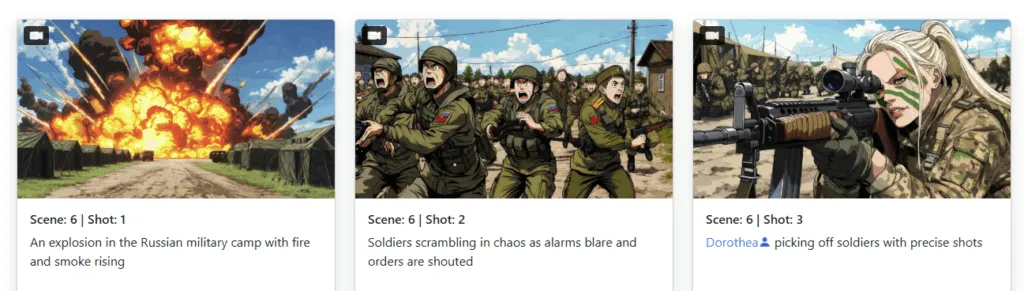
A typical feature-length screenplay runs 90 to 120 pages. Depending on your shooting style, that translates to somewhere between 800 and 1,500 individual storyboard panels. If you are working with a traditional storyboard artist -- even a fast one -- you are looking at weeks of work and a budget that can easily climb into the thousands. For indie filmmakers, that is often money they simply do not have.
This is where AI changes the equation entirely. Not by replacing the creative decisions (those are still yours), but by eliminating the bottleneck between having a vision and being able to see it.
So what does it actually look like when you sit down to storyboard a full feature with Storyboarder.ai? Here is the honest play-by-play:
Yes, the whole thing. Not a 10-page excerpt, not a single scene -- the entire script. Storyboarder.ai is built to handle long-form screenplays, and the Production Unlimited plan is specifically designed for projects of this scale. You upload your script, and the AI parses it into individual scenes and shots automatically.
This is one of the most time-saving steps. The AI reads your screenplay and generates a scene-by-scene shotlist, identifying dialogue beats, action moments, and transitions. It is not perfect every single time -- sometimes you will want to merge shots or split a scene differently -- but it gets you about 80-90% of the way there right out of the gate. That is hours of manual breakdown work you just skipped.
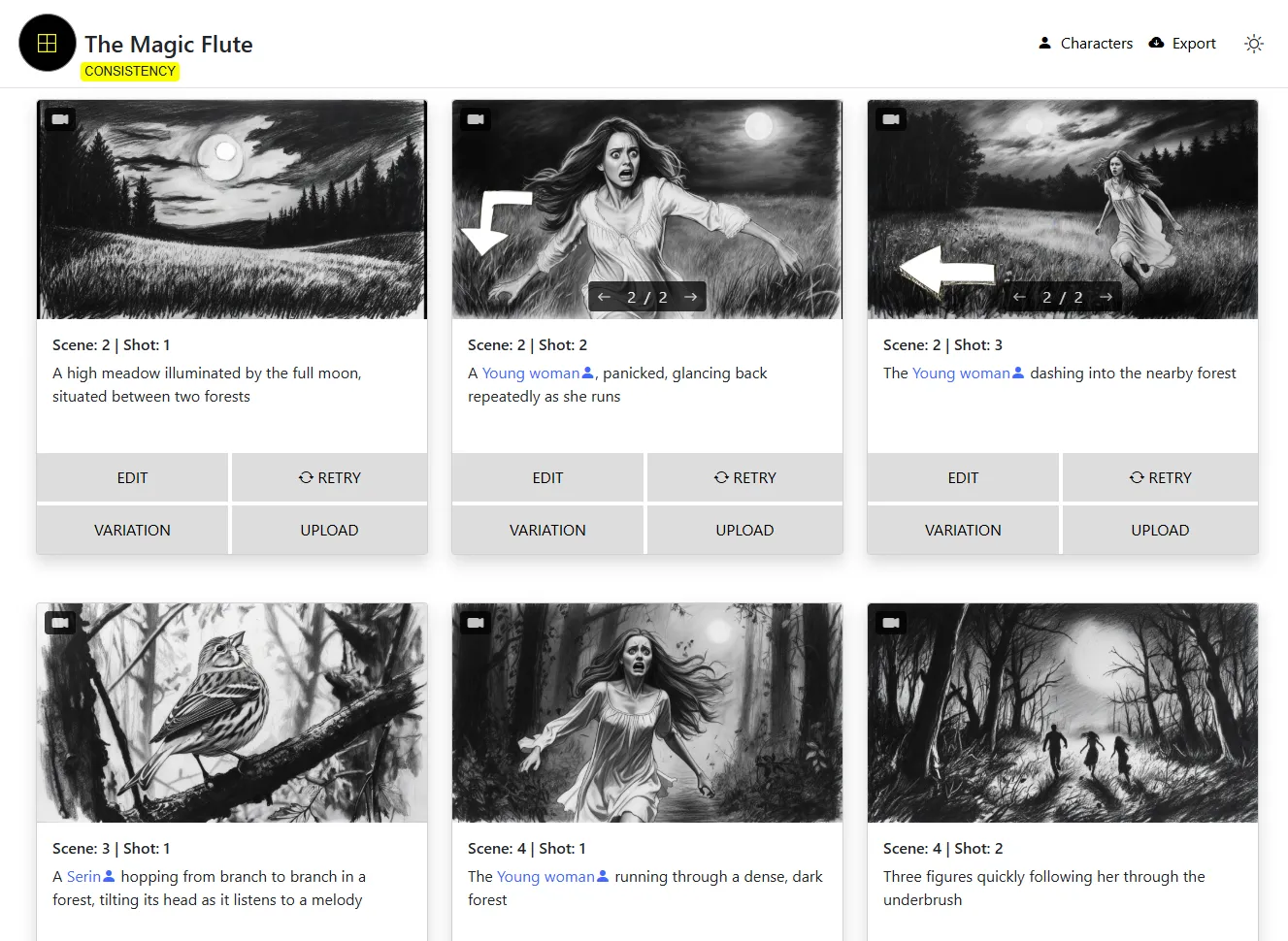
You can work through your story one sequence at a time or batch-generate entire acts. Apply a consistent art style across the whole project so your storyboard looks cohesive from opening shot to final frame. This is where the tool really shines for features -- you are not starting from scratch every time you move to a new scene.
This is honestly the challenge that makes or breaks AI storyboarding at feature length. When you have a character who appears in 200+ panels across dozens of scenes, they need to look like the same person every time. Storyboarder.ai handles this with saved character prompts and reference image uploads. Lock in your protagonist's look once, and it carries through the entire project. Is it flawless in every single frame? Sometimes you will need to regenerate a panel or tweak a prompt. But the consistency is remarkably solid, and it is getting better all the time.
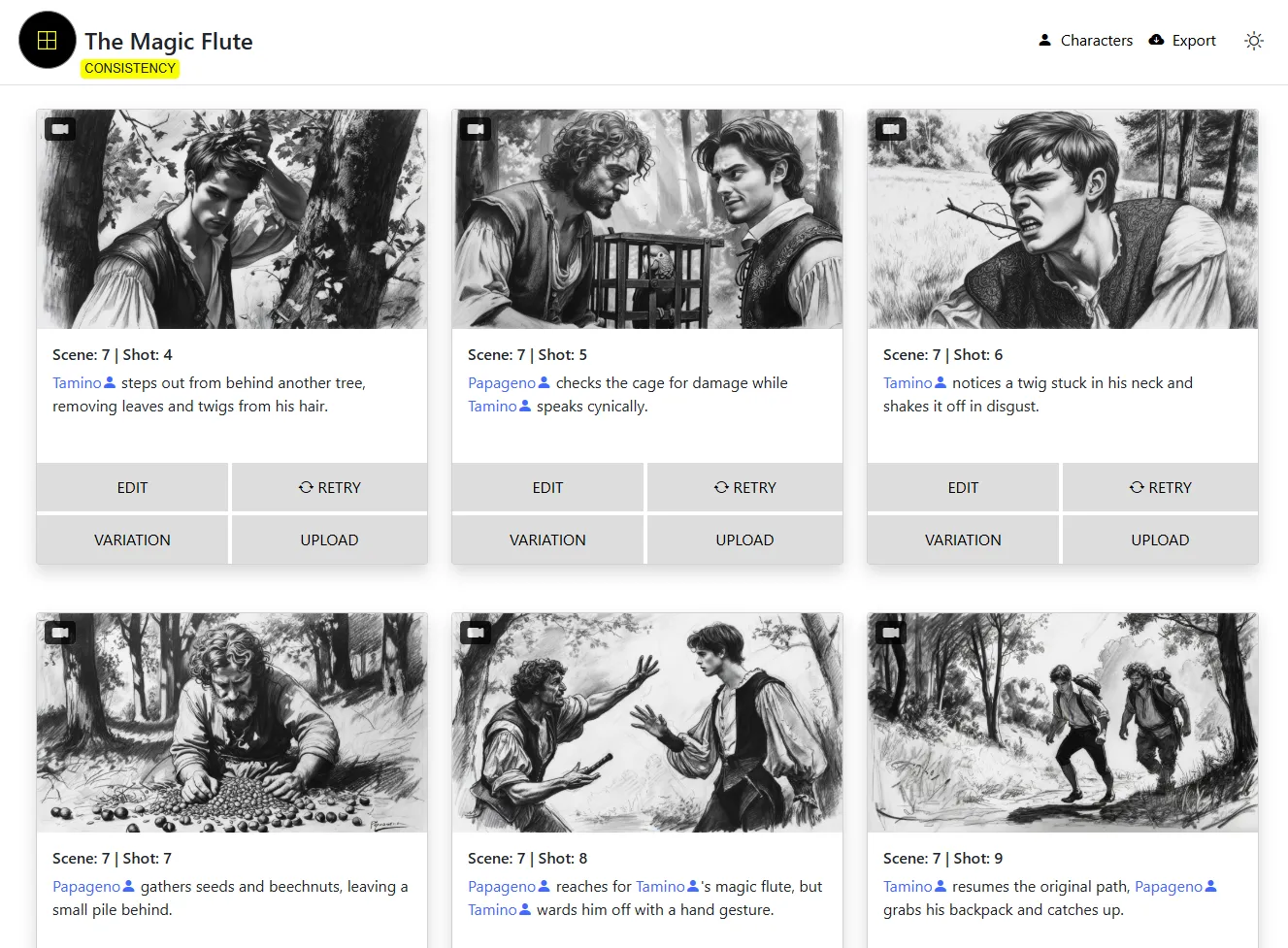
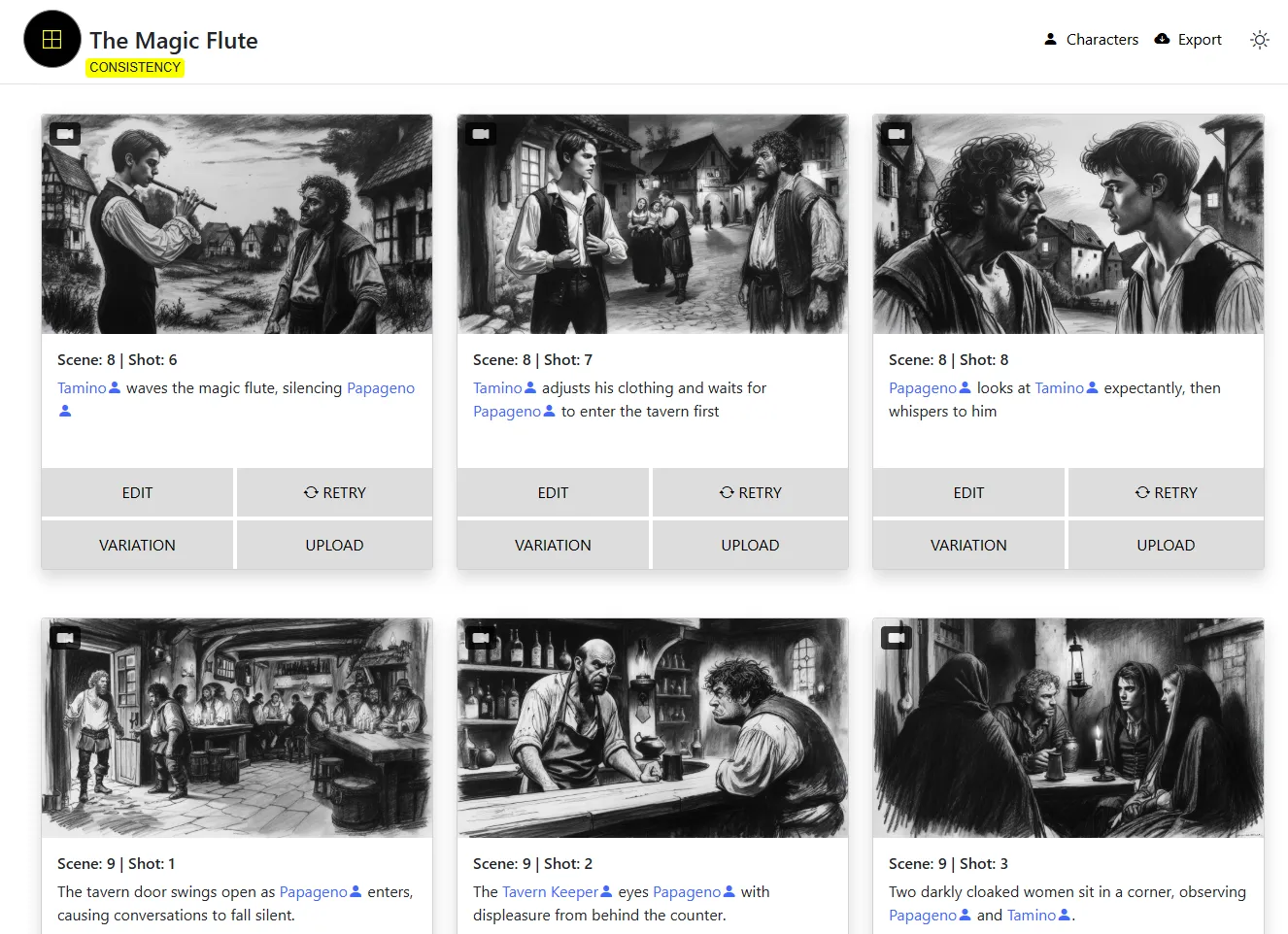
Once your panels are in place, you can turn them into a full image-to-video animatic right inside the tool. For a feature, this means you can essentially watch a rough visual version of your entire film before you have shot a single frame. That is incredibly powerful for pacing decisions, identifying scenes that drag, and getting stakeholders excited about the project.
Full storyboard PDF, ZIP of all images, editable shotlists -- whatever your production workflow requires. One-click export, ready for your pitch deck, your DP, your AD, or your investors.
This is not hypothetical. Filmmakers are using Storyboarder.ai to board entire features right now. We are talking 1,200+ individual panels, dozens of scenes with multiple characters, complex locations, and detailed camera setups -- all organized and completed in a matter of days.
"We storyboarded a 80 minute fantasy film with consistent characters and camera setups -- pitched it to our partners and used it for production. In days instead of months." -- Marvin Litwak -- Director & Producer at Sally Forth Cinema
That quote from Marvin really captures the shift here. The old timeline for storyboarding a feature was measured in months. Now it is measured in days. That does not just save money -- it fundamentally changes when and how you can use storyboards in your process. You can board your film before you even have financing locked in. You can reboard an entire act after a script revision without wanting to cry.
Feature-length projects need room to breathe. That is why the Production Unlimited plan exists -- it removes the generation caps that would otherwise make boarding a full feature impractical. You get unlimited image generations, full script upload support, and the export options you need to share your work with a production team. If you are serious about boarding a feature, this is the plan built for you.
Let us be honest about this, because overpromising helps nobody. AI storyboarding is incredibly powerful, but it is not a "push button, receive perfect storyboard" situation -- especially at feature length. You still need a human eye for shot composition decisions that serve the story's emotional beats. You will occasionally need to regenerate panels where a character's look drifted slightly. Scene transitions and visual motifs that carry thematic weight still require a filmmaker's intentionality. And organizing 1,200 panels into a coherent visual narrative takes real creative judgment.
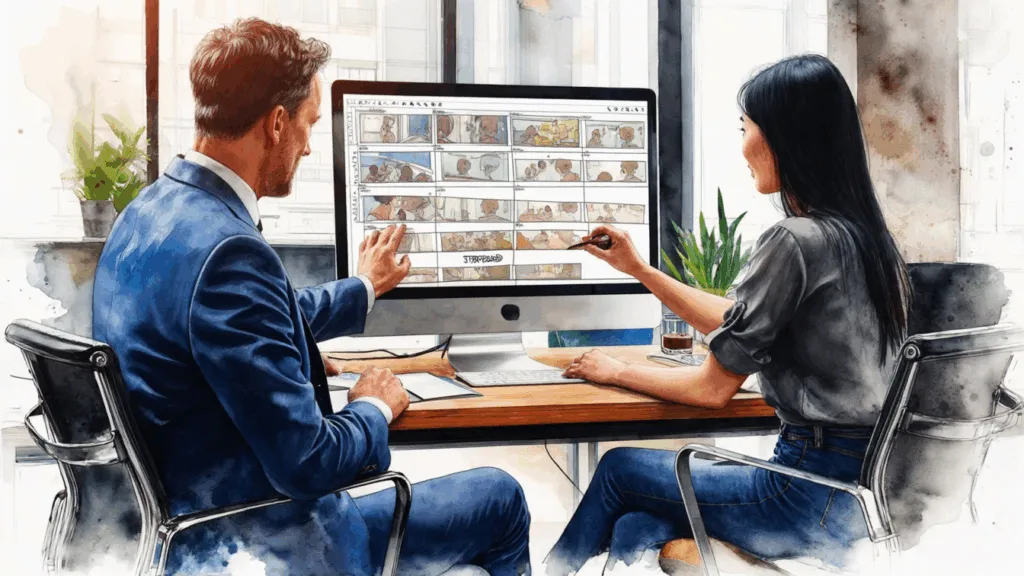
Think of it this way: the AI handles the heavy lifting of illustration and organization. You bring the directorial vision. Together, you get a production-quality storyboard in a fraction of the time and cost.
Yes. Unambiguously yes. Storyboarding a feature-length film with AI is not some future possibility -- it is happening right now, on real productions, with real results. It is not magic, and it is not effortless. But it takes what used to be a months-long, budget-draining process and compresses it into something a single filmmaker can accomplish in days. Whether you are prepping a pitch, planning a shoot, or just trying to see if your script actually works visually -- Storyboarder.ai can handle the full feature. Give it a shot.
Win over producers, investors, or clients with a cinematic storyboard pitch.
Read Article →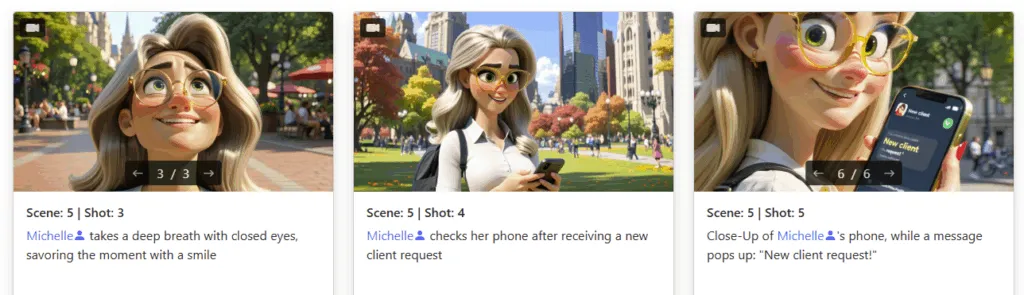
Real user projects and what's possible with AI storyboarding.
Read Article →
Why Storyboarder.ai is the top pick for filmmakers worldwide.
Read Article →