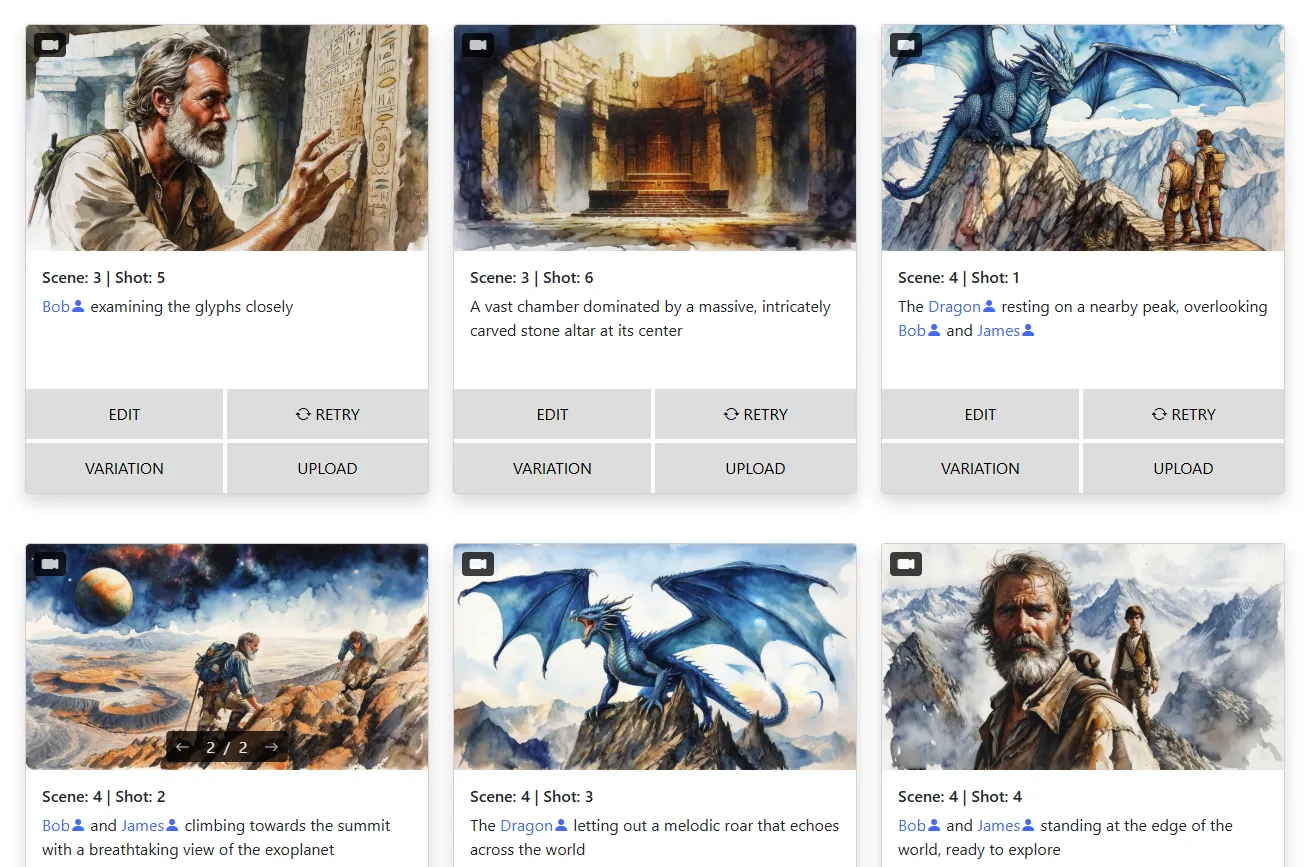
If you have ever typed "best AI storyboarding tool" into a search bar at two in the morning, you are not alone. The market has exploded over the past year or so, and suddenly every image generator claims it can storyboard your film. Some of them are decent. Most of them are not built for filmmakers. So let's talk about what actually matters when you are choosing a tool -- and why over 250,000 creators have landed on Storyboarder.ai.
But first, a confession: we are biased. We built Storyboarder.ai and we use it ourselves every day. That said, this is an honest look at the landscape. We want you to pick the right tool for your project, even if it is not ours.
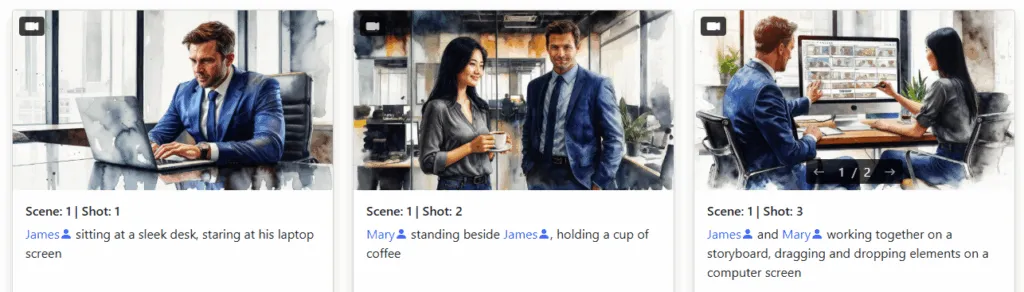
Here is the thing most "top 10" lists get wrong: they compare AI storyboarding tools by the prettiness of a single image. That is like judging a car by its paint job. A storyboard is not one image -- it is a sequence that tells a story. The tool you pick needs to understand that.
When you are evaluating any AI storyboarding platform, these are the questions worth asking:
Let's be real for a second. A lot of the tools out there right now started as general-purpose image generators and bolted on a "storyboard mode" as an afterthought. You can usually tell because the workflow feels disjointed: generate an image here, manually arrange it there, export it somewhere else, and pray your characters still look the same.
The other common issue is credit systems that punish experimentation. Storyboarding is inherently iterative. Your DP wants a different angle. The producer wants to see the scene at golden hour instead of night. The writer just changed three lines of dialogue that shift the entire blocking. If you are burning through a limited pool of credits every time you regenerate a frame, you are going to play it safe -- and safe storyboards do not get films greenlit.
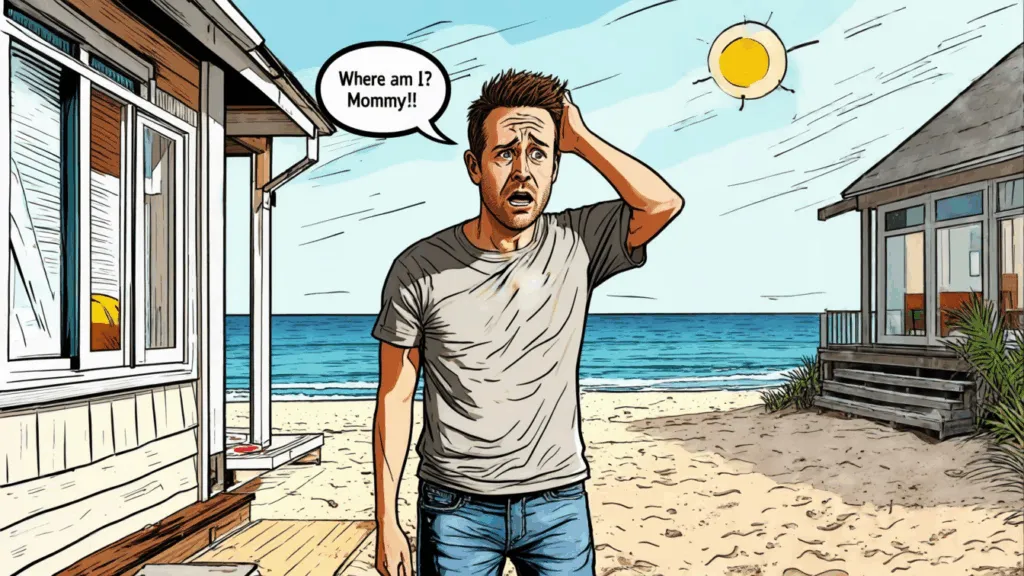
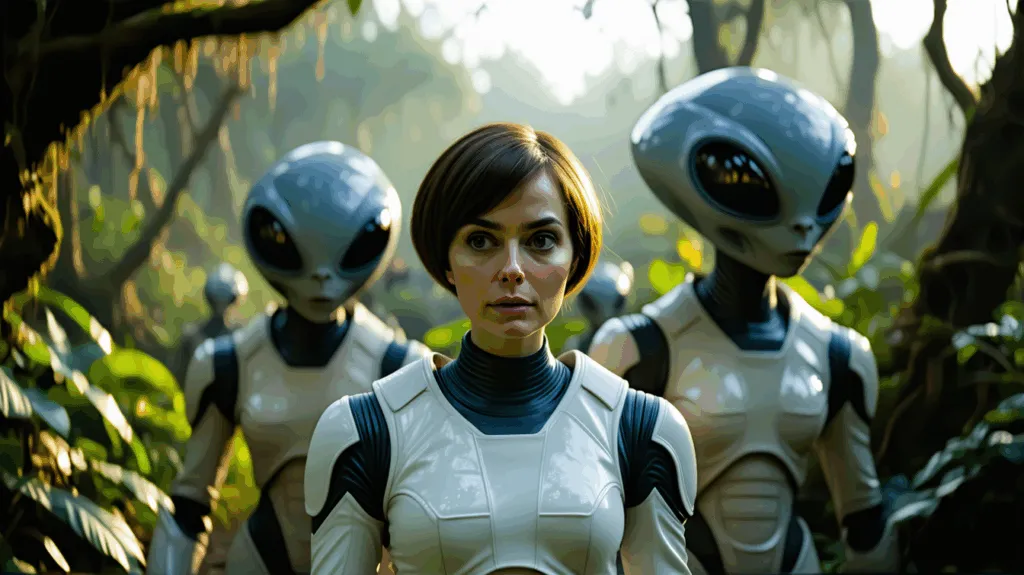
This one deserves its own mention because it is the single biggest frustration filmmakers run into with AI tools. Your protagonist has brown hair in frame one, blonde hair in frame five, and a completely different face by frame twelve. That is not a storyboard -- that is a casting call gone wrong. Any tool worth using needs a robust character system where you define your cast once and they stay consistent across every shot.
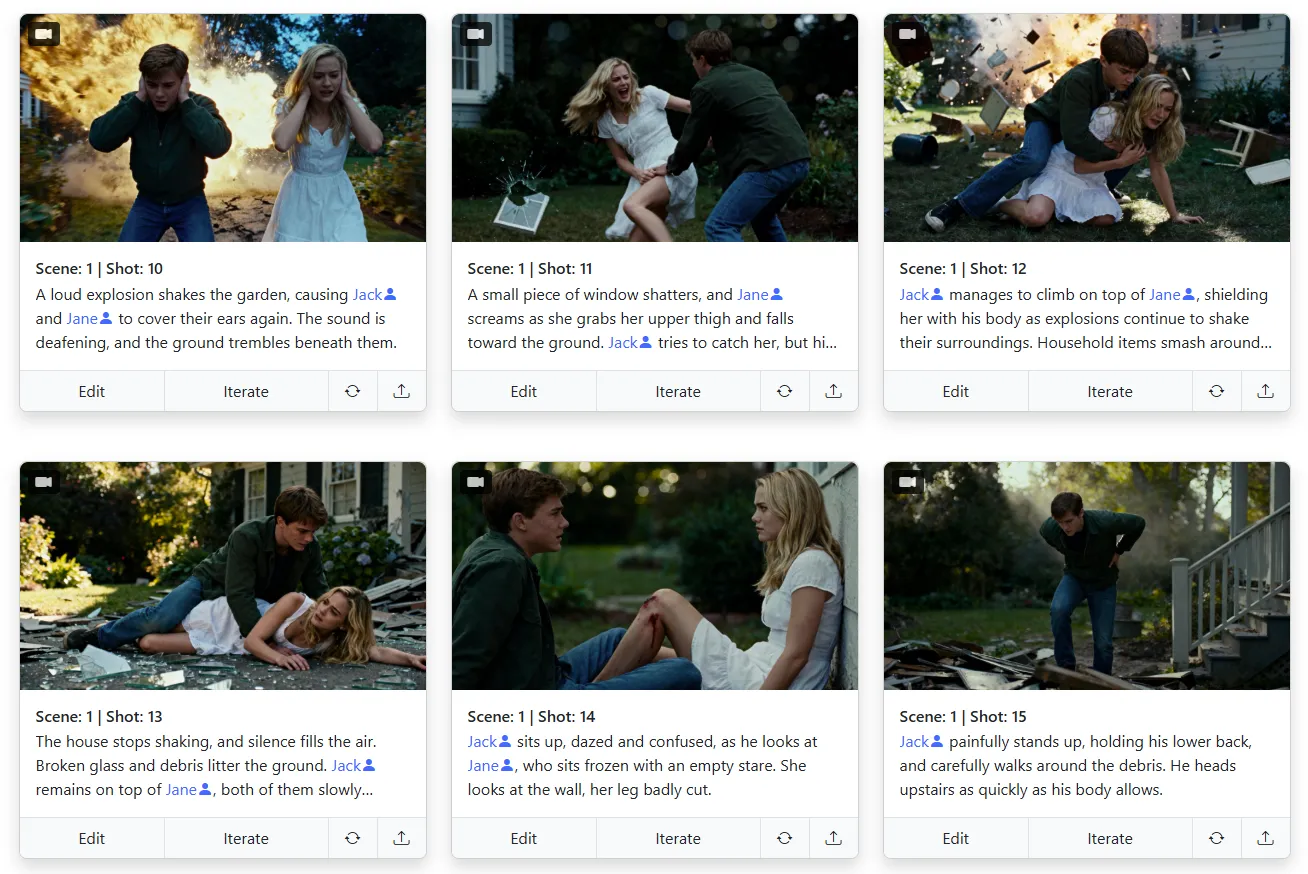
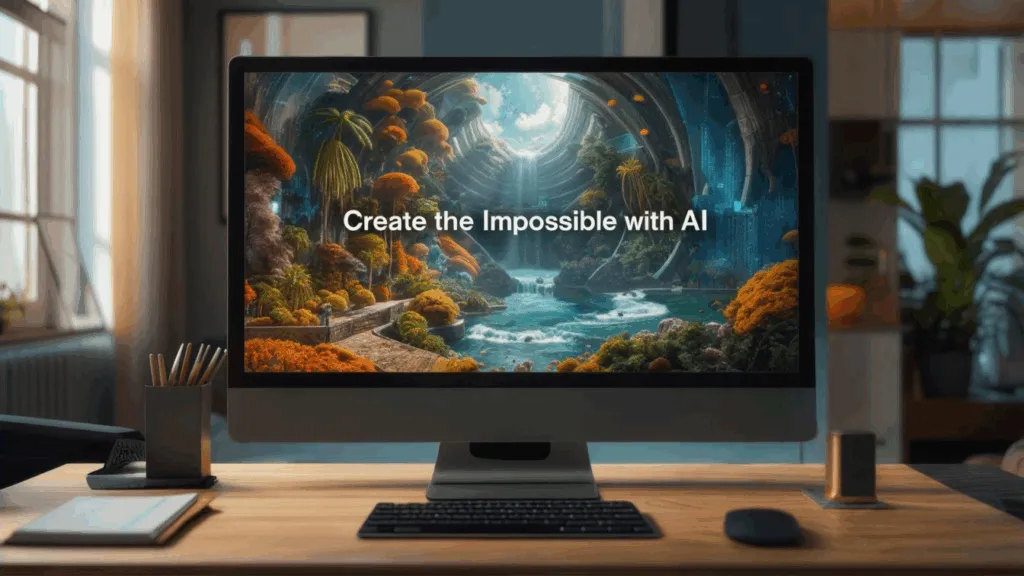
We did not set out to build "another AI image tool." Storyboarder.ai was built by filmmakers, for filmmakers, and that shapes every decision we make. Here is what that looks like in practice:
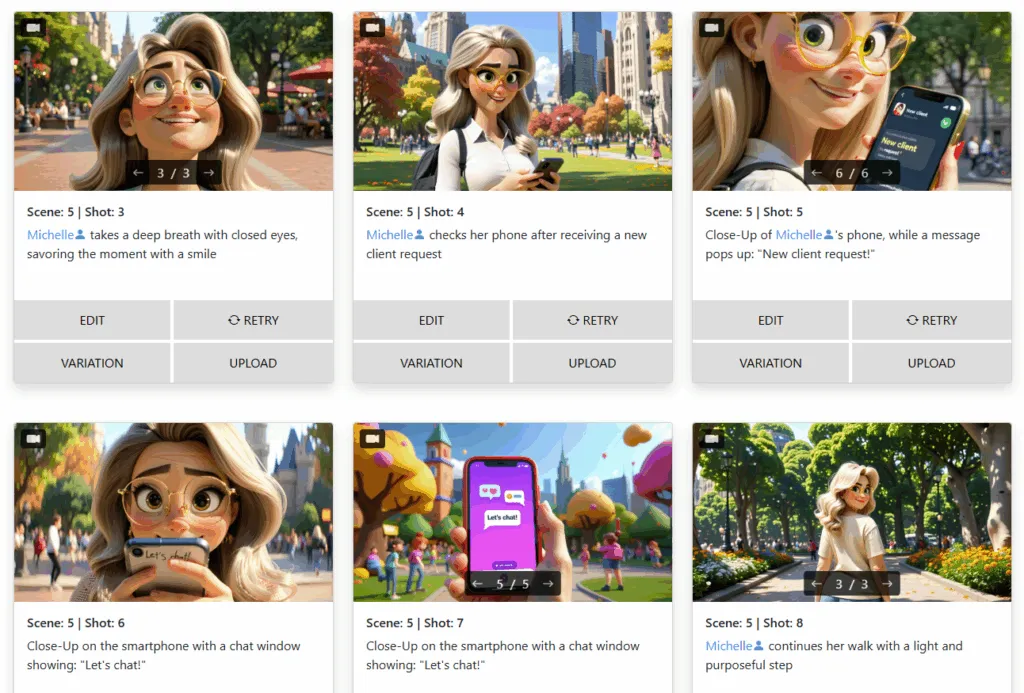
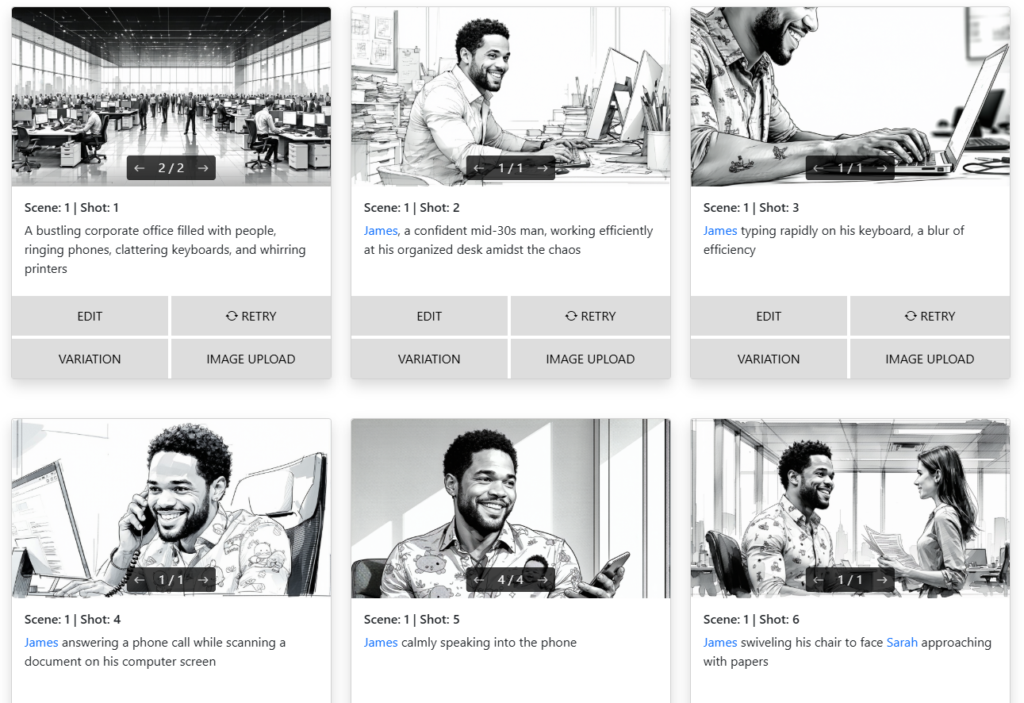
You start by uploading your script. The platform breaks it into scenes and shots automatically -- whether you are working on a five-page short or a hundred-and-twenty-page feature. From there, you generate cinematic storyboards that actually understand depth, mood, and framing. These are not random pretty pictures; they are film-ready boards with real compositional intent.
Character consistency is baked into the core of the platform. Define your cast, and they stay recognizable throughout your entire project. Need to change a background, swap a prop, or adjust the lighting? Do it without starting over. And with unlimited generation on your plan, you are free to experiment as much as you need without watching a credit counter tick down.
Once your boards are locked, you can turn them into animatics with pacing and flow -- the kind of thing that makes producers lean forward in their chairs. It is a true end-to-end pipeline: script to shotlist to storyboard to animatic, all in one place. No juggling five different apps. No exporting and re-importing. Just storytelling.
More than 250,000 users worldwide trust the platform now, from solo indie filmmakers to teams at major streaming platforms. They use it for pitches, previsualization, commercials, music videos, educational content, and full feature films.
One thing we hear a lot: "Isn't AI going to replace storyboard artists?" Short answer: no. Longer answer: the best storyboard artists we know are already using AI tools to amplify their work. They sketch faster, explore more options, and present stronger pitches. The tool handles the rendering so they can focus on what they are actually good at -- visual storytelling.
Whether you are a one-person crew trying to get your short film off the ground or a pre-production team at a studio trying to lock picture before the shoot date, the right storyboarding tool should feel like a creative partner. It should speed you up without dumbing you down. It should give you control without making you fight for it.
That is what we built Storyboarder.ai to be. And honestly, the best way to know if it is right for you is to try it.
Your story deserves to be seen the way you imagine it. Now you have got the tools to make that happen.
Learn how to storyboard your film or video project using AI — no drawing required.
Read Article →Think AI tools are just for short scenes? Here's how filmmakers are storyboarding entire features.
Read Article →
The must-have AI tools for every indie filmmaker's creative toolkit.
Read Article →